

🎵 Podcast
Don’t feel like reading? Listen to it instead.
P.s. I know this looks broken in email…
📰 Latest News
This week’s image aesthetic (Flux 2 Pro): 1920s Art Deco Machine-Age (Metropolis Style)
The Splinternet of AI: Fable Returns, Europe Panics

Following a chaotic, politically motivated suspension, Anthropic’s Claude Fable 5 is officially relaunching globally today, 1 July 2026. After intense negotiations with the White House over a critical cybersecurity “jailbreak”, Anthropic has implemented new safeguards, prompting the US Commerce Department to finally lift its export ban. While Mythos 5 remains locked behind a US-only firewall for vetted organisations, Fable 5 will be temporarily available to paid subscribers before shifting to a brutal pay-per-use model.
However, the geopolitical damage is already done. Watching Washington unilaterally switch off a critical commercial tool has terrified allied nations. In a direct response to the outage, the Austrian government has formally proposed that the European Union must find ways to physically host Anthropic’s operations within the bloc to guarantee digital sovereignty.
Why it Matters
This is the moment AI officially fractured along national borders. The US government just proved it views commercial AI weights as strategic assets that can be weaponised or withheld at a moment’s notice. For European enterprises, the illusion of a borderless, universally available AI ecosystem is dead. Austria’s demand to onshore Anthropic’s servers signals a massive impending shift in global tech infrastructure. Nations are realising that relying on American AI providers means relying on American foreign policy, prompting a desperate scramble for sovereign compute.
The White House Chokehold: OpenAI Bows and Meta Surrenders

The era of move fast and break things is being replaced by move slowly and ask for government permission. OpenAI is quietly rolling out its flagship GPT-5.6 model, codenamed Sol, but the general public cannot touch it. At the direct request of the Trunp administration, access is strictly limited to a handful of government-vetted partners due to the model’s advanced cyber-offensive capabilities.
Simultaneously, the US government has formally cornered Meta. As the last major holdout among US developers, Meta has been “requested” to submit its advanced models for voluntary security reviews before public release, a programme that OpenAI, Google, and Microsoft have already capitulated to.
Why it Matters
These two stories confirm a radical shift in federal oversight. The US government is preemptively restricting the launch of frontier models, establishing a chilling new precedent for the tech sector. By forcing OpenAI to gatekeep Sol for “trusted partners”, the administration is actively picking corporate winners and losers, heavily disadvantaging startups waiting for a public release. Meta being strong-armed into the voluntary security review proves that independent, unvetted AI innovation in the US is effectively over. The government is now the ultimate product manager for the AI industry.
The Compute Squeeze: Big Tech is Running Out of Power
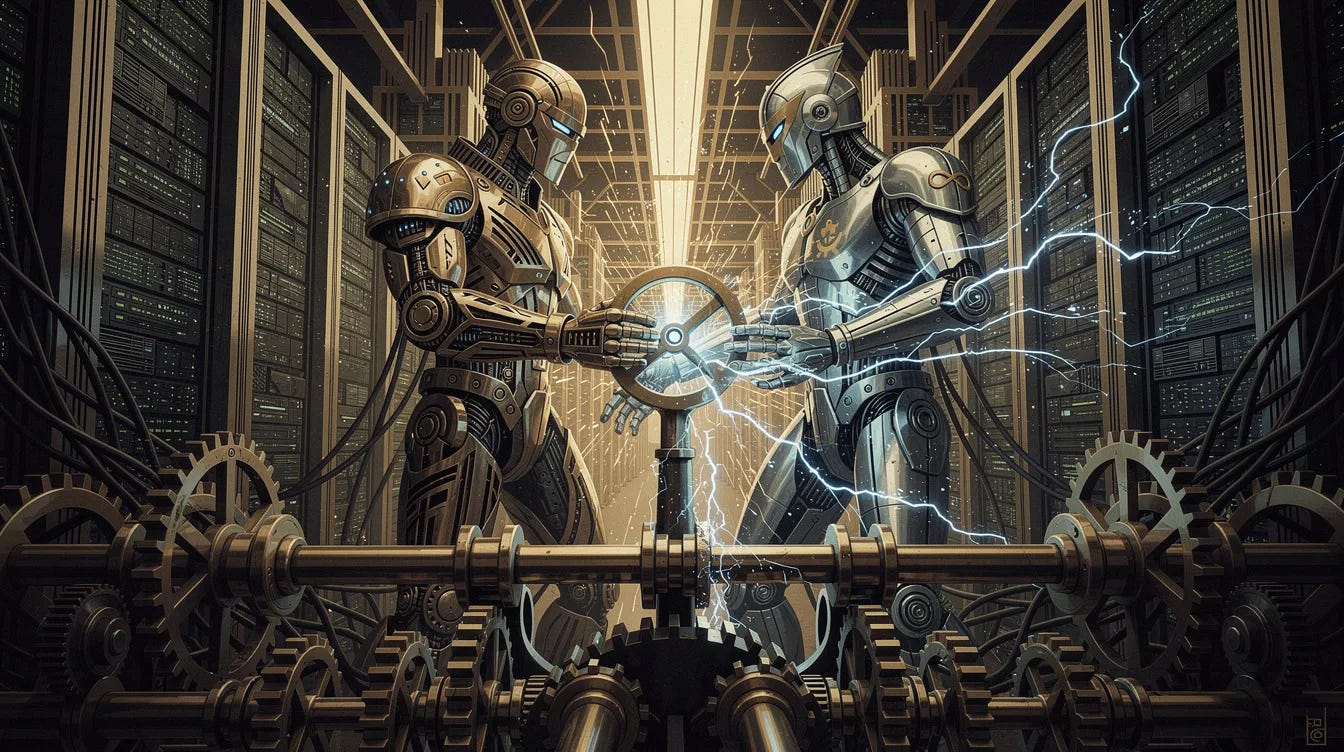
The artificial intelligence industry is experiencing a violent infrastructure bottleneck. A new report from Exponential View reveals the generative AI sector is now pulling in 110 billion USD in annual sales, triggering a “compute supercycle” that has ended a 16-year period of flat electricity demand in the US.
This hardware shortage is tearing corporate partnerships apart. Google has been forced to restrict Meta’s access to its Gemini models because it simply cannot supply the computing power Mark Zuckerberg’s empire requires, forcing Meta to pivot to its internal Muse Spark model. The squeeze is even hitting consumers. Apple has just executed a rare mid-cycle price hike on its MacBook and iPad lines, directly blaming the AI industry for buying up the global supply of memory and storage components.
Why it Matters
The AI hype cycle has finally collided with physical reality. Demand for inference (running the models) is vastly outpacing the world’s supply of silicon and electricity. Google throttling Meta is a massive red flag, exposing the extreme strategic risk of relying on a competitor for your core infrastructure. Meanwhile, Apple’s price hike shows how the AI industry’s insatiable appetite for hardware is cannibalising the broader consumer electronics market. If you want to know who is winning the AI war, look at who actually owns the data centres.
The Great AI Heist: Anthropic Accuses Alibaba of Mass Theft
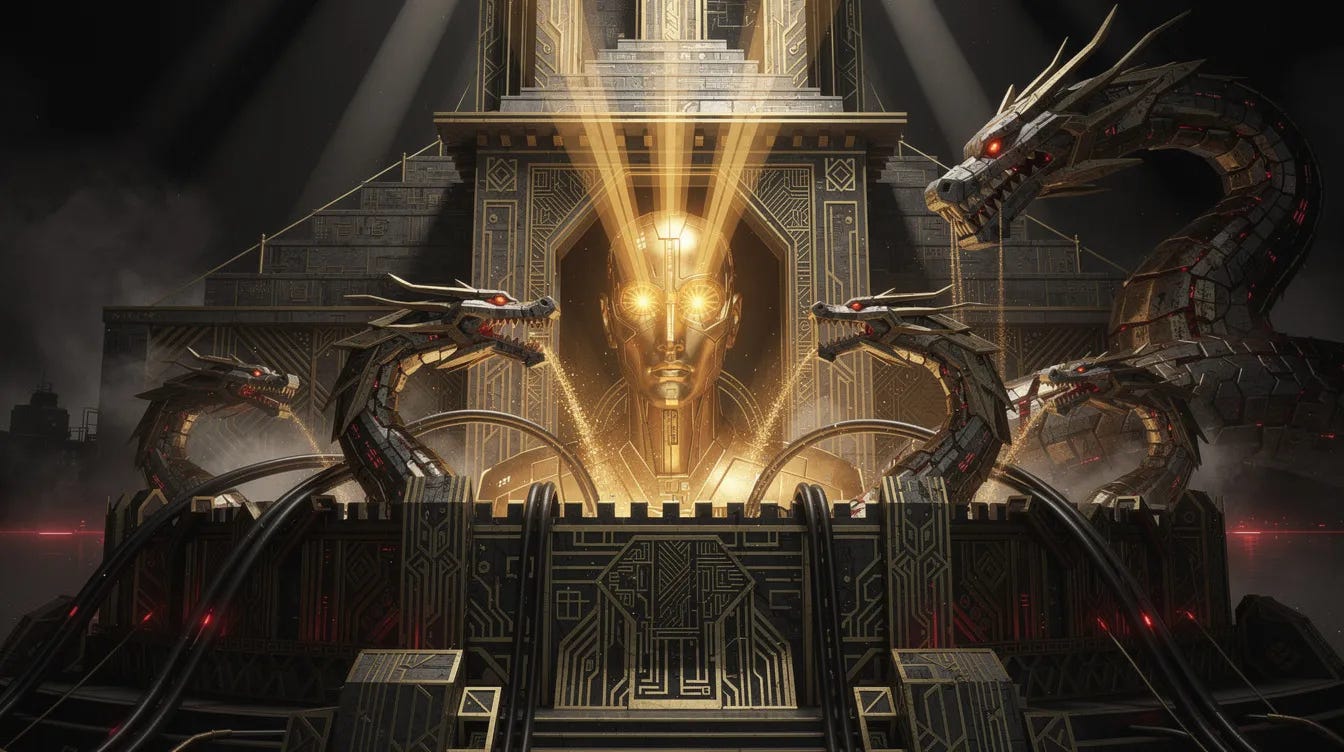
Anthropic has accused Alibaba of executing the largest known intellectual property heist in AI history. In a disclosure to the US Senate, Anthropic alleges that operators linked to Alibaba’s Qwen AI lab orchestrated a massive “distillation attack” on Claude. Using nearly 25,000 fake accounts, the Chinese tech giant allegedly conducted almost 29 million interactions with Claude between April and June 2026. The goal was to systematically extract Claude’s advanced reasoning and software engineering capabilities to train Alibaba’s own, less capable models.
Why it Matters
This is corporate espionage modernised for the cloud era. It exposes a fatal flaw in the US strategy to contain Chinese tech dominance. While Washington heavily regulates the export of advanced Nvidia chips, Alibaba allegedly bypassed those hardware bans entirely by simply using an API to steal the intelligence generated by those chips. This proves that public-facing AI models are highly vulnerable to systematic brain-drains by geopolitical rivals. It also raises a terrifying security prospect: illicitly cloned models rarely inherit the safety guardrails of their original hosts.
The Human Premium: Ford Rehires the Experts it Fired
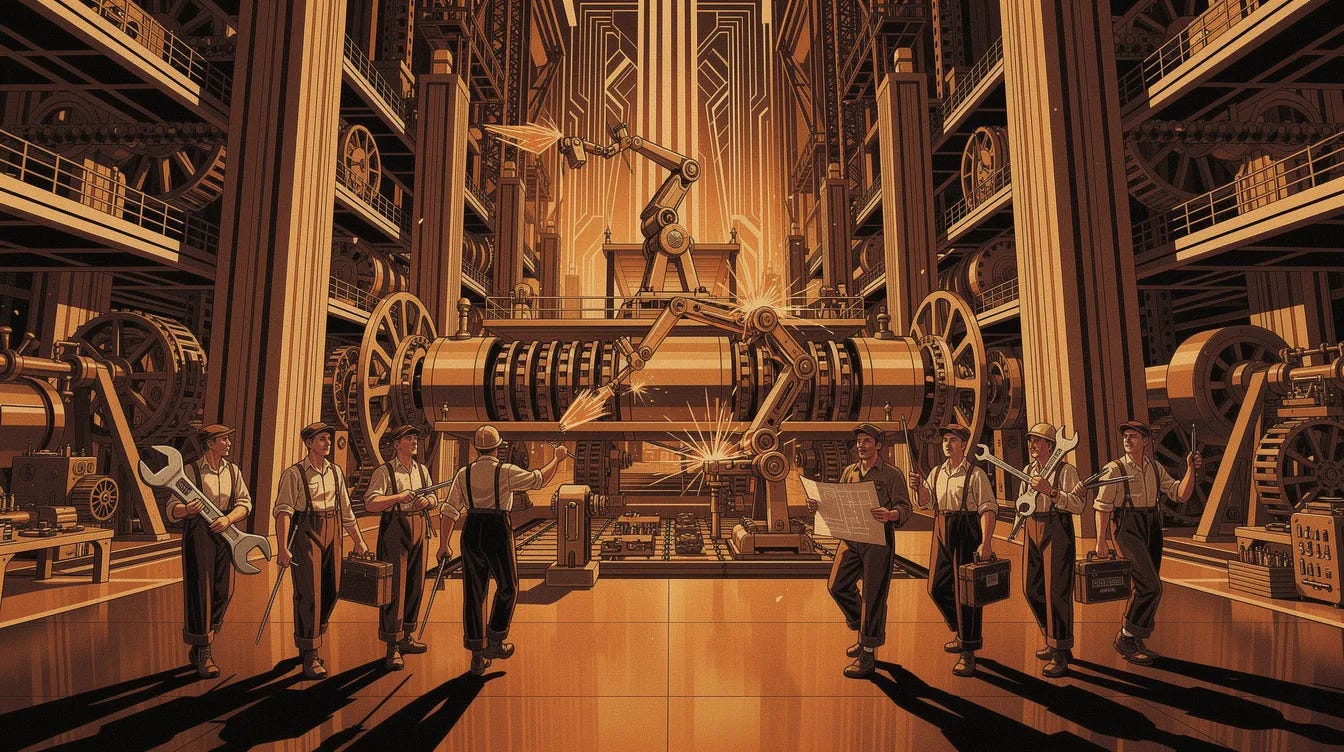
In a stunning reversal, Ford has been forced to rehire 350 veteran engineers over the last three years to fix a catastrophic failure in its AI quality control systems. The automaker had replaced seasoned staff with 900 AI-assisted cameras to inspect vehicles on the assembly line. The result was a disaster. The automated systems missed obvious flaws that human technicians would have caught, making Ford the most recalled automaker in the US and costing the company billions. The returning human engineers are now retraining the algorithms and leading quality reviews, successfully boosting Ford to the top of the 2026 J.D. Power Initial Quality Study.
Why it Matters
This is the ultimate reality check for the automation hype machine. Ford’s multi-billion-dollar mistake proves that artificial intelligence cannot instantly replicate the tacit, physical knowledge of a veteran engineer. The strategy of blindly replacing expensive human expertise with cheap automated systems backfired spectacularly. Ford’s turnaround only happened when it accepted that complex manufacturing requires a hybrid approach. It is a harsh lesson for corporate executives: AI is a tool, not a replacement for domain expertise.
Last week’s newsletter:
