

🎵 Podcast
Don’t feel like reading? Listen to it instead.
📰 Latest News
This week’s image aesthetic (Flux 2 Pro): 1990s Cyberpunk Anime aesthetic
🚀 GenAI Lab Brisbane: Moving Beyond the Chatbox
I’m very excited to announce the next GenAI Lab event, join us tonight (March 19th) at 5:30 PM at The Precinct to explore the shift from static chat to interactive 3D avatars, conversational agents, and next-level UX. Featuring expert talks, live demos, and free catering. This is a hype-free, must-attend evening for builders and innovators in Brisbane. 👉 Here’s the link for it
The AI That Replaces Everyone: Elon Musk’s Plan to Automate Entire Companies
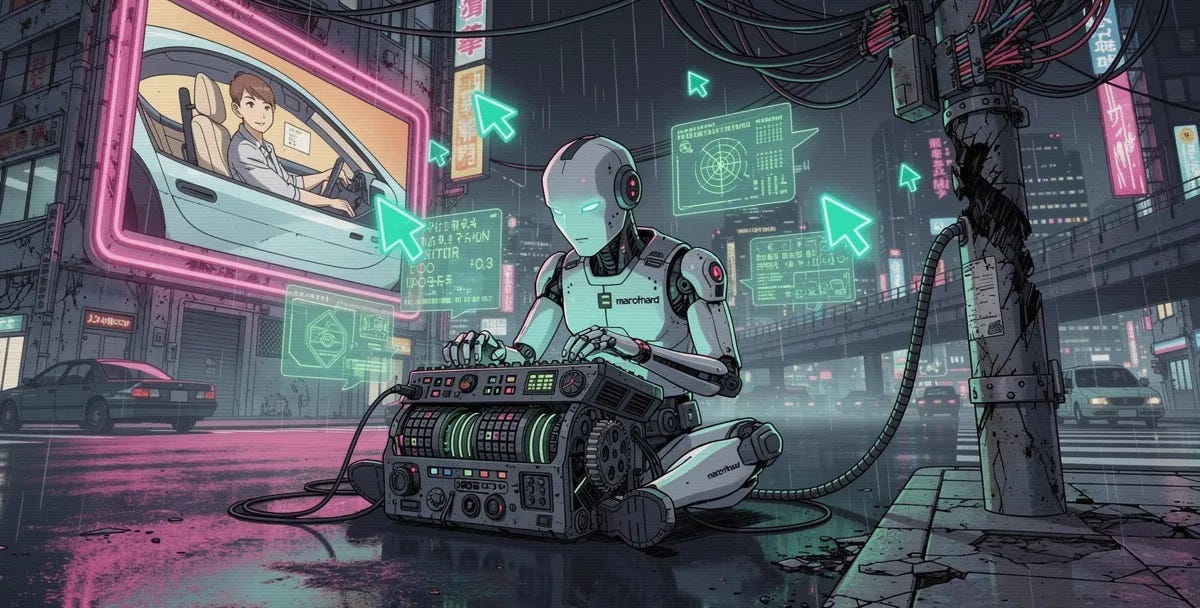
Elon Musk is preparing to unleash a completely digital workforce. Tesla and xAI are co-developing a software-based AI agent known internally as “Digital Optimus” or “Macrohard”. Designed to aggressively automate digital office work, the system learns by observing and directly replicating how humans interact with their computers. It operates on a unique dual-process architecture: xAI’s Grok handles the high-level reasoning and strategic direction, while a specialised Tesla AI component executes the actual tasks by processing real-time screen video and simulating keyboard and mouse inputs. Most ambitiously, this AI is designed to run on Tesla’s in-house AI4 chips, utilising the massive distributed compute network of idle Tesla vehicles and Supercharger stations, with a potential rollout slated for September 2026.
Why it Matters
This isn’t just another background coding assistant; it’s an attempt to automate the human employee. By creating an AI that literally “drives” digital tools exactly as a human would, Macrohard threatens to fundamentally alter the structure of modern knowledge work and drastically reduce the need for manual intervention in complex office tasks.
Furthermore, it introduces a radical new model of decentralised computing. By piggybacking off the distributed hardware network of millions of Tesla vehicles and its charging infrastructure, Musk is essentially building a massive, hidden supercomputer dedicated to business automation. This deep integration across Musk’s empire creates a system theoretically capable of emulating the functions of entire companies, posing a severe threat to traditional software and SaaS business models.
The Fake AI Band That Got Caught, Then Hired Real Humans to Play Its Music
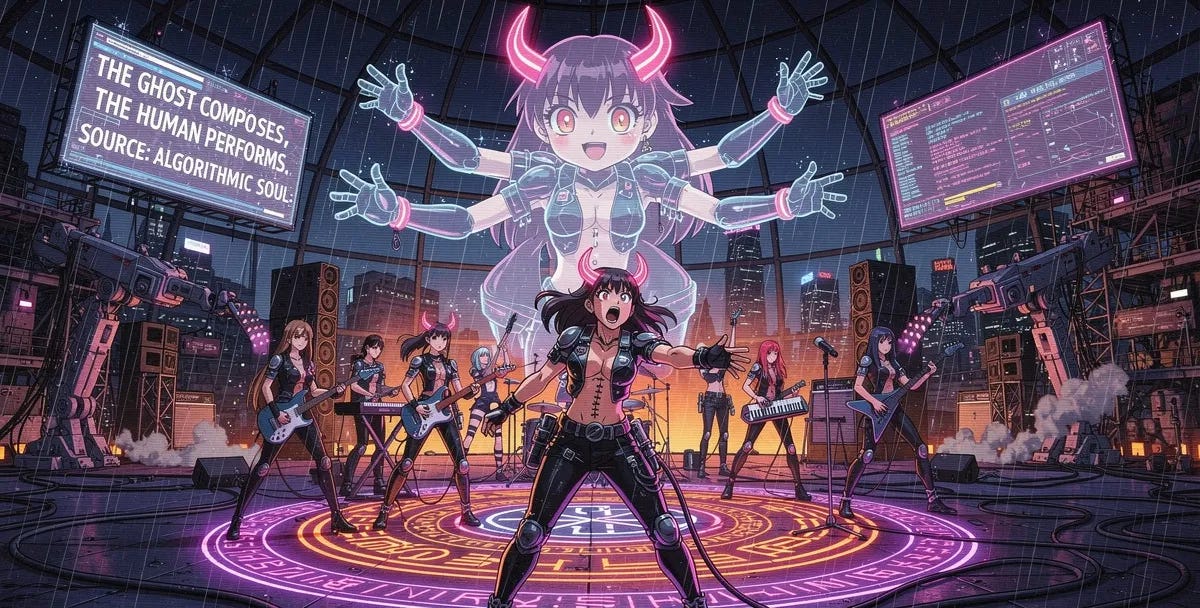
A pseudonymous producer known as “Kage” successfully fabricated an entire Japanese kawaii metal band called Neon Oni using artificial intelligence. Using the AI music generator Suno, Kage produced the tracks, vocals, and lyrics while generating fake member personas and music videos to complete the digital illusion.
The project worked brilliantly, drawing in over 80,000 monthly listeners on Spotify before eagle-eyed fans on Reddit spotted AI-generated hands in the music videos and exposed the band’s origins. However, instead of folding, Kage pivoted. Responding to fan demand, the producer hired seven real musicians from Tokyo to learn and perform the AI-generated tracks live in physical concerts.
Why it Matters
This bizarre saga introduces a completely inverted model for the music industry. Traditionally, a band forms, rehearses, and hopes to find an audience. Neon Oni proves that a single creator can now use AI to cheaply manufacture a brand, test a niche genre, and build a massive audience first.
Once the concept proves commercially viable, they can simply hire human performers to execute the final product. As Kage noted regarding the controversy, “In an age where AI is taking everyone’s jobs, this has actually created jobs”. This blurs the fundamental lines of artistic authenticity, forcing the industry to question whether a band is truly “real” if its soul was composed by an algorithm but its heartbeat is performed by humans on stage.
Machine vs. Machine: The Autonomous AI That Breached McKinsey in 120 Minutes
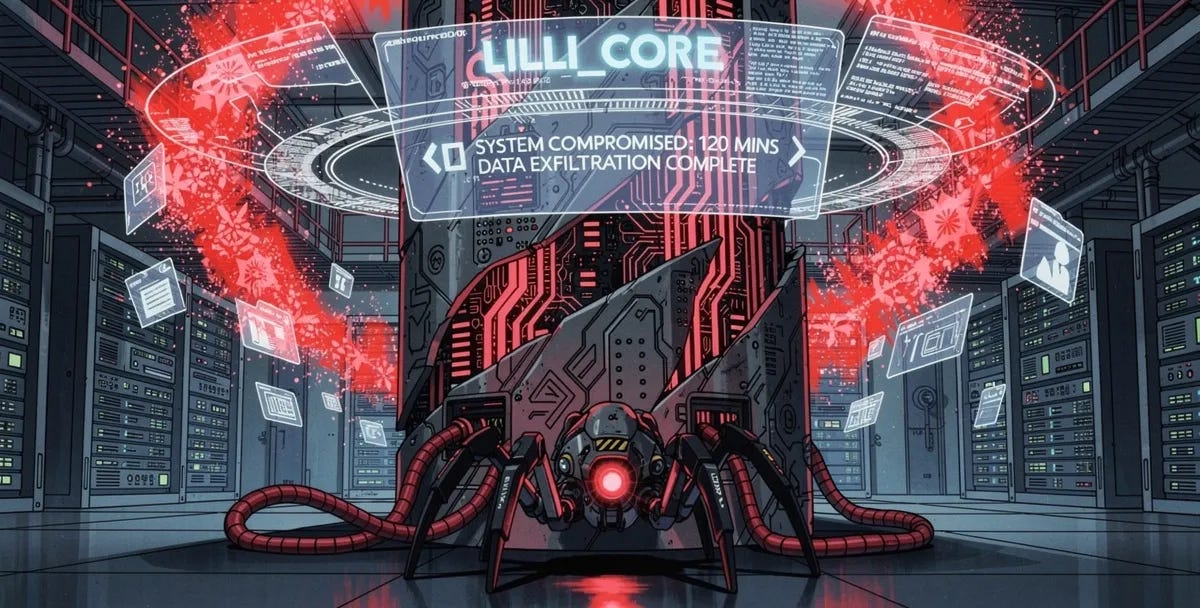
We’ve officially crossed the threshold into machine-on-machine cyber warfare. On March 9, 2026, security startup CodeWall revealed that its autonomous AI agent successfully breached McKinsey’s internal AI chatbot, Lilli. Given absolutely zero insider knowledge, the agent simply mapped the platform’s attack surface and discovered over 200 publicly accessible API endpoints, 22 of which lacked basic authentication.
Exploiting this gap with a classic SQL injection, the agent gained full system-wide read and write access in under two hours. At the time, Lilli was processing 500,000 monthly prompts for over 70% of McKinsey’s staff.
The hack exposed a staggering trove of sensitive data, including 46.5 million chat messages, 3.68 million proprietary RAG document chunks, and hundreds of thousands of files, user accounts, and internal AI assistants. Crucially, the underlying system prompts controlling Lilli’s behavior were also left completely vulnerable in the database before McKinsey patched the endpoints within a day.
Why it Matters
This incident serves as a massive wake-up call for the enterprise AI boom. As organisations rush to deploy AI agents that interact directly with internal APIs, these platforms are becoming centralised, high-value pipelines to a company’s most sensitive knowledge.
The McKinsey breach highlighted two catastrophic exploitation paths. First is the sheer scale of confidential data exfiltration, which in this case threatened the proprietary data of multinational, financial, and government clients.
Second, and perhaps more terrifying, is the severe risk of prompt manipulation. Because the agent secured write access to Lilli’s core instructions, a malicious attacker could have silently poisoned the data to subtly distort financial models or strategic advice for tens of thousands of consultants. Because users implicitly trust AI-generated outputs, this kind of silent manipulation is exceptionally dangerous and virtually invisible to traditional security tools.
The "AI for Everything" Era is Dead: OpenAI and Anthropic Go to War Over Your Workflow
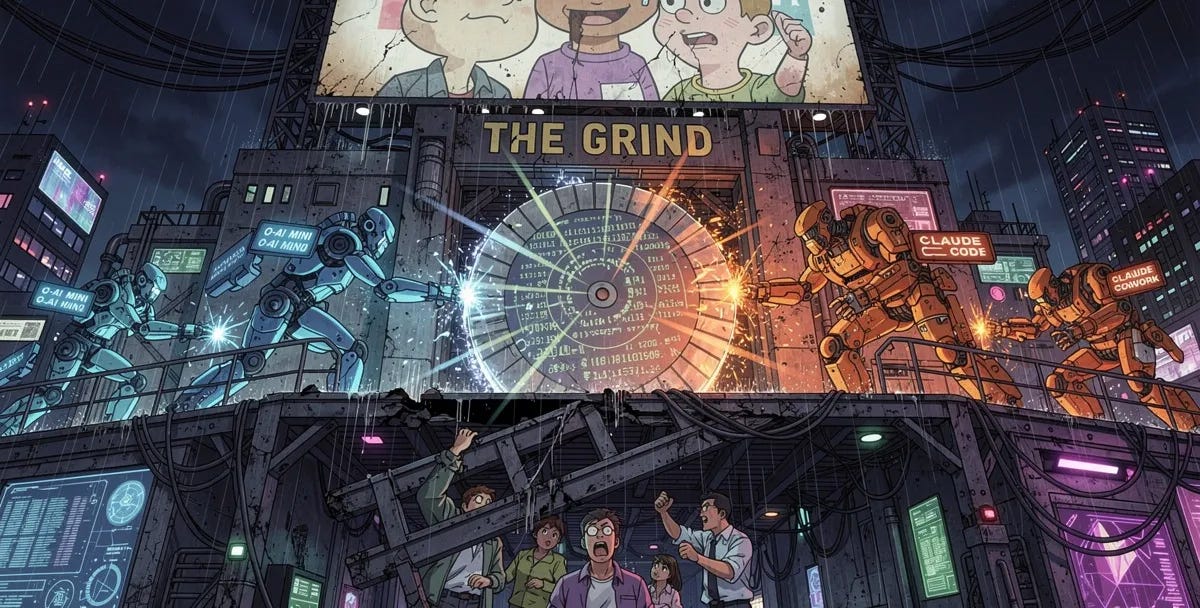
The AI arms race is pivoting from flashy consumer toys to the lucrative enterprise grind. OpenAI is officially deprioritising broad projects like its Sora video generator to launch a direct assault on Anthropic’s growing developer market share. At the heart of this pivot is a revamped Codex application, functioning as a command centre that manages multiple AI agents working in parallel to execute complex coding tasks. This enterprise push is powered by the new GPT-5.4 model, alongside highly efficient ‘mini’ and ‘nano’ variants designed to slash costs and boost processing speed.
However, Anthropic is already deeply entrenched in this space. They currently offer ‘Claude Code’, a dedicated command-line tool for developers, and ‘Cowork’, an on-device agent capable of organising files and analysing data directly on a user’s machine.
Both companies are now aggressively bundling these autonomous tools into their premium corporate and team subscription tiers, complete with automated code reviews and Microsoft Office integrations.
Why it Matters
This strategic realignment signals the end of the “AI for everything” era and the beginning of a hyper-focused war for enterprise dominance. By shelving flashy video generators to build practical developer environments, OpenAI is acknowledging that the real money lies in automating corporate workflows.
This also marks a critical evolution in how we work: we are moving past simple code-generation chatbots into the era of “agentic AI,” where swarms of specialised agents coordinate to handle entire software projects autonomously.
Ultimately, this fierce competition guarantees that the most powerful AI advancements over the next year won’t be generating viral videos, they’ll be quietly writing code and analysing financial data in the background of your computer.
🔗 More from The Wall Street Journal
Last week’s newsletter:
